

Carter Hones Associates’ Ebrahim Ragab discusses Saudi Arabia’s evolving construction market and the changing role of consultants in the Kingdom.
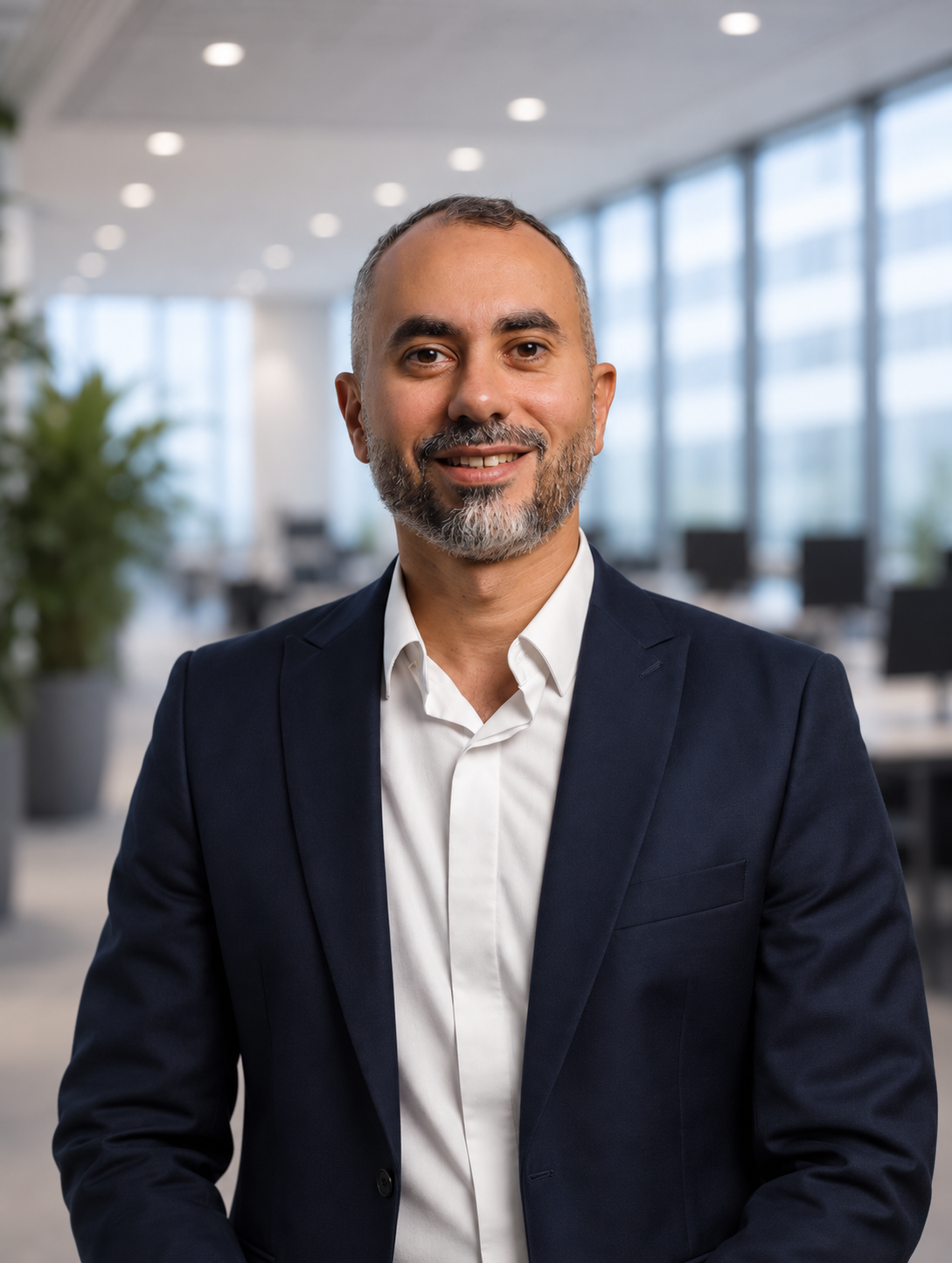
Carter Hones Associates (CHA) is strengthening its presence in Saudi Arabia as the Kingdom’s construction market enters a more mature phase. The project consultancy, which provides project management, cost management and design management services from offices in Riyadh, Dubai and Abu Dhabi, has appointed Ebrahim Ragab as Associate Director to lead its growth in the Kingdom.
Ragab brings 21 years of project and design management experience across the GCC. His work includes delivery roles on the SAR 30 billion Haramain High Speed Railway and hospitality projects including Hilton Jeddah and Sofitel Al Khobar.
In this exclusive interview, he discusses how the market has evolved under Vision 2030, why the role of consultants is changing, and why the Kingdom’s growing depth of local expertise challenges the perception of an “immature” market.
What has changed most significantly in the Saudi construction market over the course of your career?
The biggest change I have seen is the move from a market driven mainly by individual project demand to one guided by a clear national vision.
When I first worked on the Haramain High Speed Railway, the ambition was already evident. Today, that ambition is supported by a much broader development agenda, with stronger connections between infrastructure, tourism, hospitality and the places where people live and work.
Client expectations have evolved alongside that growth. The conversation increasingly goes beyond delivering a building to understanding what the investment needs to achieve. For consultants, that means connecting project decisions to the client’s business objectives and being accountable for the advice we give. It is one of the reasons Carter Hones Associates has made a long-term commitment to the Kingdom, with a permanent base in Riyadh.
How have client priorities evolved as the market has matured, particularly around time, cost, quality and risk?
Speed and scale still matter, but clients increasingly expect us to manage time, cost, quality and risk together.
Accelerating a programme has little value if it creates avoidable rework, operational problems or costs that emerge later.
In my experience, clients want clearer choices and better visibility of consequences. They need to know what a decision means for the budget, the opening date, the user experience and the long-term performance of the asset.
Our role is to identify the information that supports those decisions, explain the trade-offs honestly and recommend a practical way forward. Value for money is about the outcome achieved, including the risks avoided, rather than simply the lowest initial cost. That is why at Carter Hones Associates we bring project management, cost management and design management together, so clients can see the full impact of a decision before they commit to it.
How has Vision 2030 changed the role of consultants on major projects?
The scale and ambition of Vision 2030 require consultants to understand the wider purpose of a project and the relationships around it.
An individual asset may depend on infrastructure, operator requirements, authority approvals and neighbouring developments, each with its own priorities and programme. That makes early alignment essential.
Consultants need to establish clear responsibilities, realistic milestones and a reliable process for decisions before delivery pressures build.
I see our role as bringing the right expertise together, challenging assumptions constructively and helping the client maintain control as the project develops. That is the role our team plays across the UAE and increasingly in the Kingdom: senior-led, hands-on and firmly on the client’s side. Technical knowledge remains essential, but judgement, communication and ownership are equally important.
Where can consultants add the most value before a project reaches the construction stage?
Some of the most valuable work happens before the design becomes difficult or expensive to change.
It starts with understanding what success means to the client and translating that into a clear brief, an affordable scope and a credible delivery strategy.
We should test the programme, identify approval and procurement constraints, involve operators where relevant and establish who makes which decisions. Design coordination and risk reviews need to inform the project as it develops.
Good early advice also includes asking questions the client may not yet have considered. A consultant adds value by identifying a problem while there is still time to address it properly, and by explaining the options clearly enough for the client to act. At Carter Hones Associates, this early work, from project strategy and briefing to cost planning, is often where our relationship with a client begins.
How has the growth of local expertise changed the way international firms need to operate in the Kingdom?
International firms need to approach Saudi Arabia with respect for the expertise already here.
Local consultants, contractors and clients bring valuable delivery experience, market knowledge and an understanding of how decisions are made. The strongest relationships combine that knowledge with relevant international experience.
That requires meaningful local engagement, clear responsibilities and a willingness to listen and learn.
For me, trust develops through consistent behaviour: understanding the client’s needs, making realistic commitments and following through. A firm’s international portfolio may open a conversation, but the people representing it in the Kingdom must demonstrate how that experience will benefit the specific project. That is how we are building our team in Riyadh: people with deep Kingdom experience, supported by the wider resources of our offices in Dubai and Abu Dhabi.
What do international consultants sometimes misunderstand about working in Saudi Arabia today?
One misconception is that the volume of opportunity makes winning and delivering work straightforward. Saudi Arabia is a competitive market, and clients have access to experienced local and international teams.
Another is assuming that an approach which worked elsewhere can be transferred without adjustment. Each client has a different decision-making structure, commercial objective and operating context.
Relationships matter, but they need to be supported by competence, integrity and delivery. Consultants should invest time in understanding the project and its stakeholders, then be clear about where they can add value. Listening carefully at the outset often prevents much larger misunderstandings later. That is why every CHA engagement in the Kingdom starts with understanding the client’s structure and objectives before we propose a solution.
Looking ahead, what do you expect Saudi clients will demand more of from consultants?
I expect clients to demand greater clarity, stronger accountability and a closer connection between consultancy advice and project outcomes.
They will want earlier visibility of risks, practical recommendations and confidence that decisions are being followed through.
Technology will support that expectation, particularly where it makes information easier to interrogate and use. Its value will depend on whether it helps the team make better decisions and take timely action.
The consultant’s role will continue to evolve towards combining technical expertise with commercial understanding and sound judgement.
At Carter Hones Associates, the approach I want to build in Saudi Arabia is to understand each client’s success criteria, give each project the attention it needs and develop relationships that endure through successful delivery.